
By Maria Francesca Migliori
The exhibition 3 November 1701 – 3 November 2026. 325 years of history: the Casanatense tells its story aims to celebrate the library’s jubilee – that is, its first 325 years of history – through a series of documents, manuscripts, printed books, photographs and scientific artefacts drawn from the library’s vast collection. The exhibition comprises 18 display cases and is divided into five main sections, which recount the history of the Casanatense from its origins right up to the 21st century.
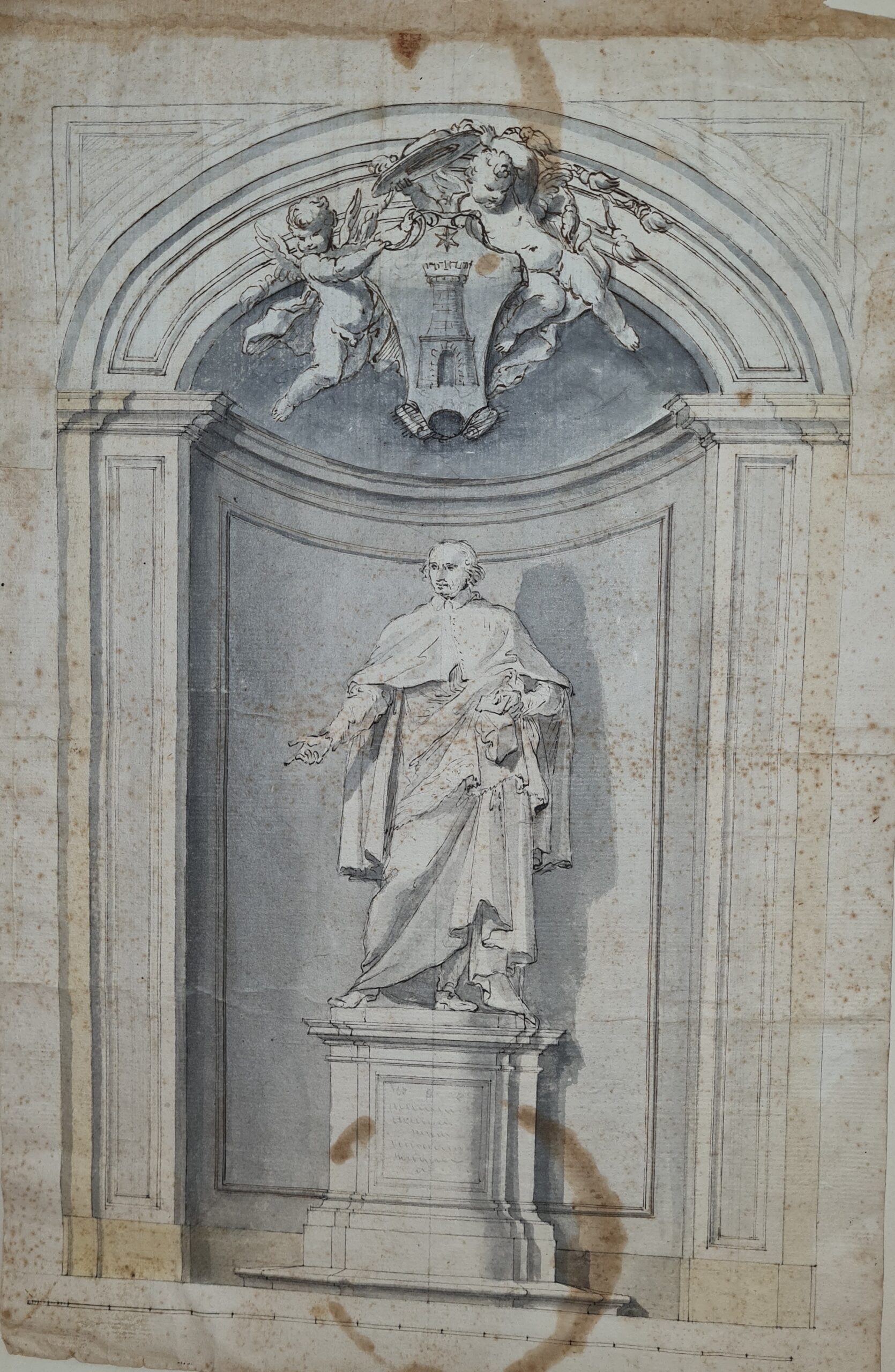
The first section is devoted to the founder, Cardinal Girolamo Casanate (Naples 1620–Rome 1700): through numerous documents drawn from the library’s Historical Archive and a series of books, it aims to highlight the life, works and thinking of this exceptional figure, who designated the Dominican Fathers of Santa Maria sopra Minerva as the heirs to a large part of his wealth, with the intention of establishing a great public library. The text of Casanate’s Will (Ms.5549) forms the heart of the exhibition: within it, the Cardinal expresses his wishes and provides instructions on how to administer his money and wealth; in particular, on folio 66r, he recommends that the money be used exclusively for the purchase of books that would augment the bibliographic collection of his personal library, which already comprised 25,000 volumes. Of these 25,000 volumes, the exhibition features the famous Exultet (Ms.724/III) in facsimile form – for security reasons – the extraordinary work engraved by Giovanni Battista Falda, The Gardens of Rome, with their Plants, Elevations and Perspective Views (20.A.IV.62), and the sacred images painted in the Vatican by Raffaello Sanzio and engraved by Pietro Aquila and Cesare Fantetti (20.A.II.23.26).
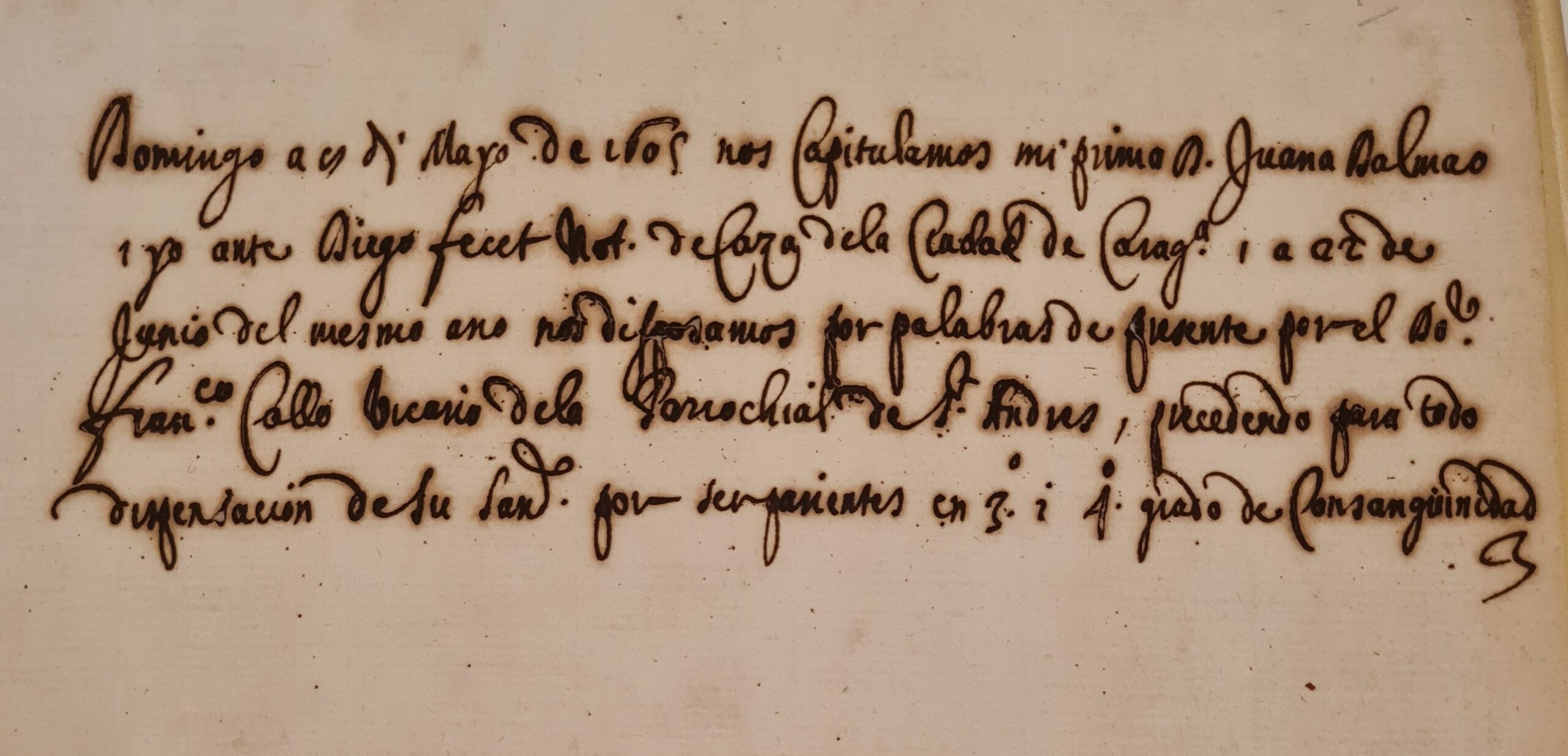
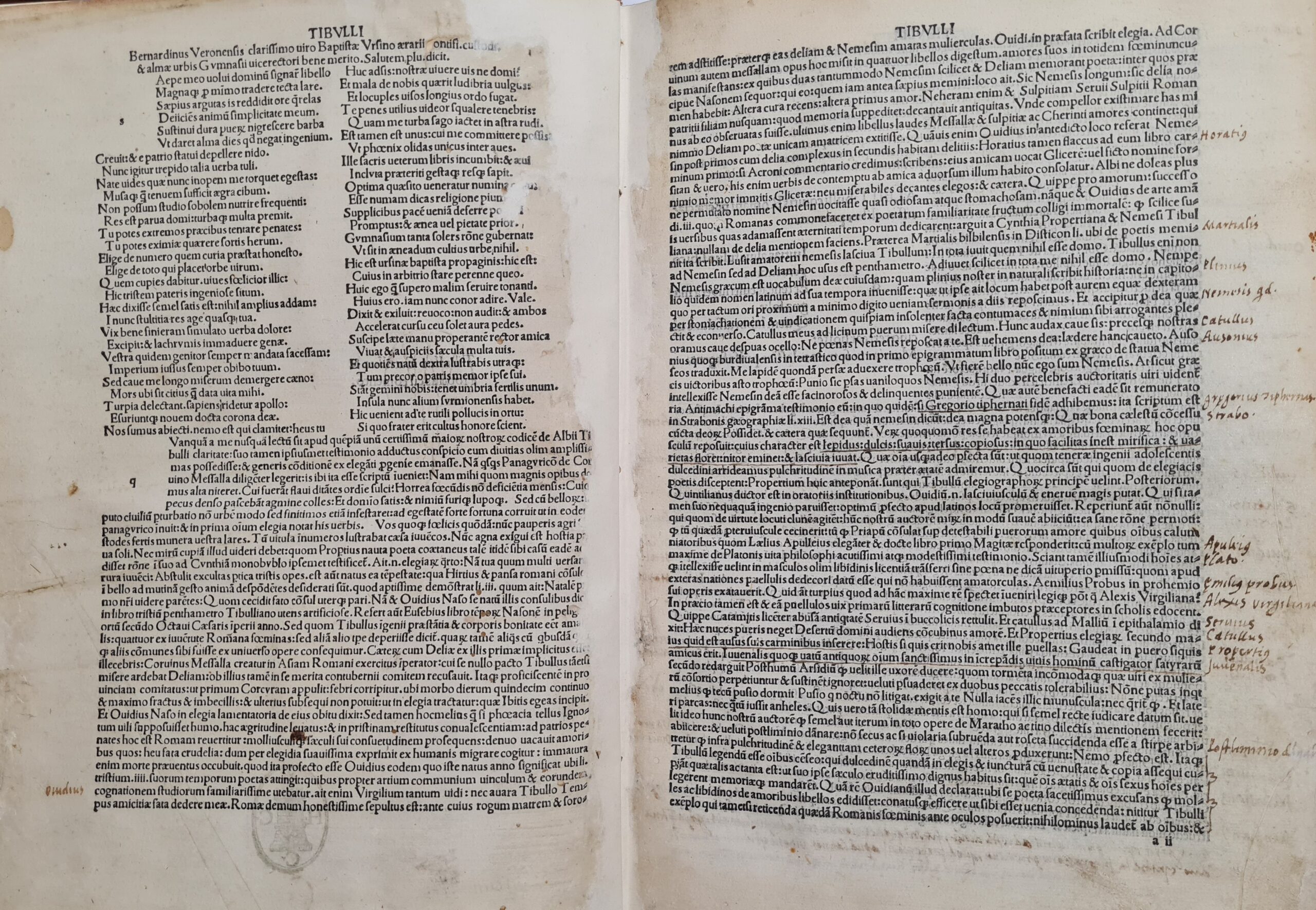
This first section includes a brief digression on Mattia Casanate, the cardinal’s father and a great bibliophile, from whom Girolamo is said to have inherited not only a passion for books but also his personal library, consisting of no fewer than 1,639 volumes, three beautiful examples of which are on display: *Guido bonatus de forliuio. *Decem continens tractatus astronomie* from 1491 (VOL.INC.790); *Tibullus, Catullus & Propertius cum commento* from 1493; and the 15th-century manuscript (Ms.436) written in Spanish, which recounts the origins of the illustrious Casanate family.
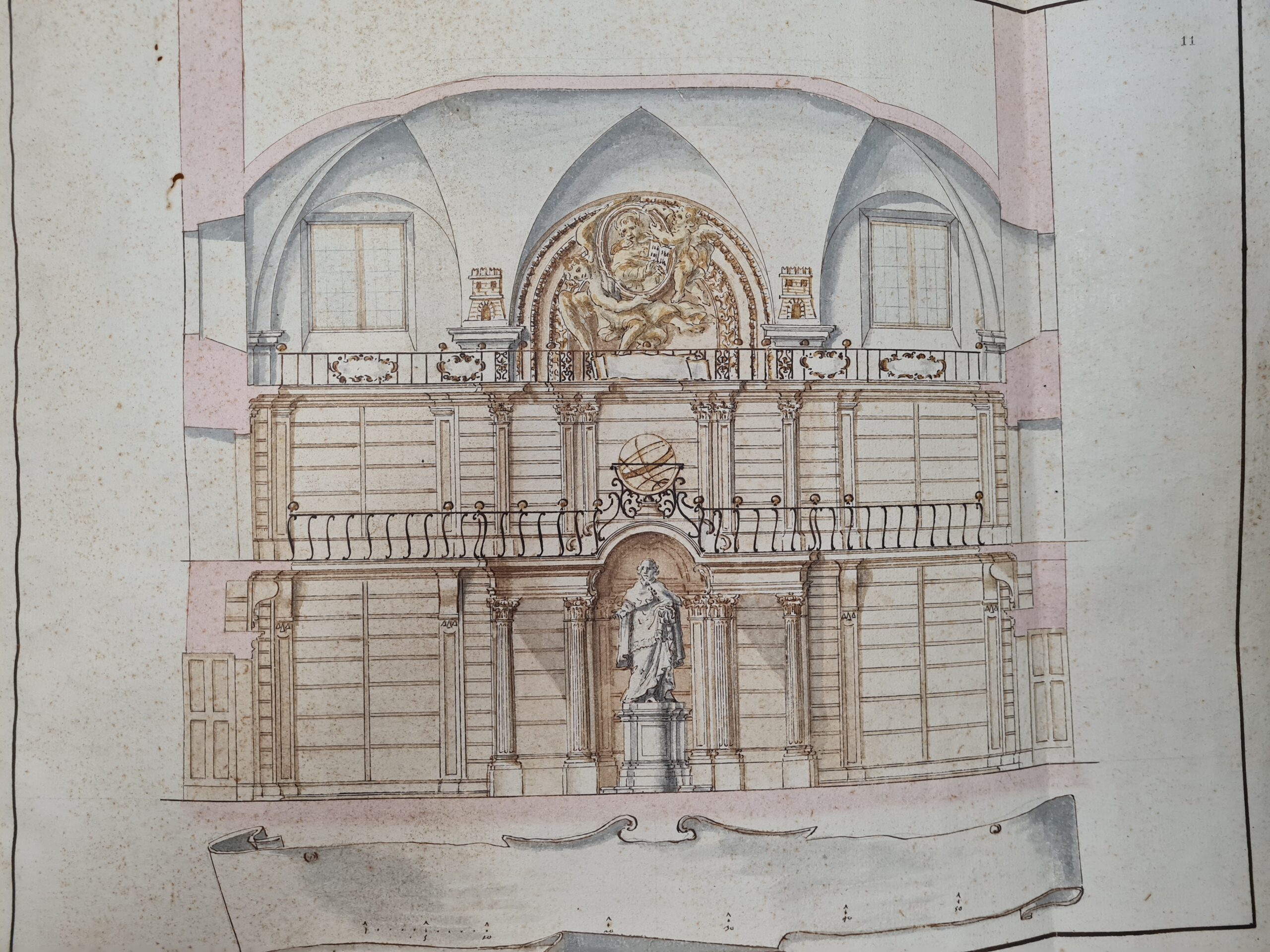
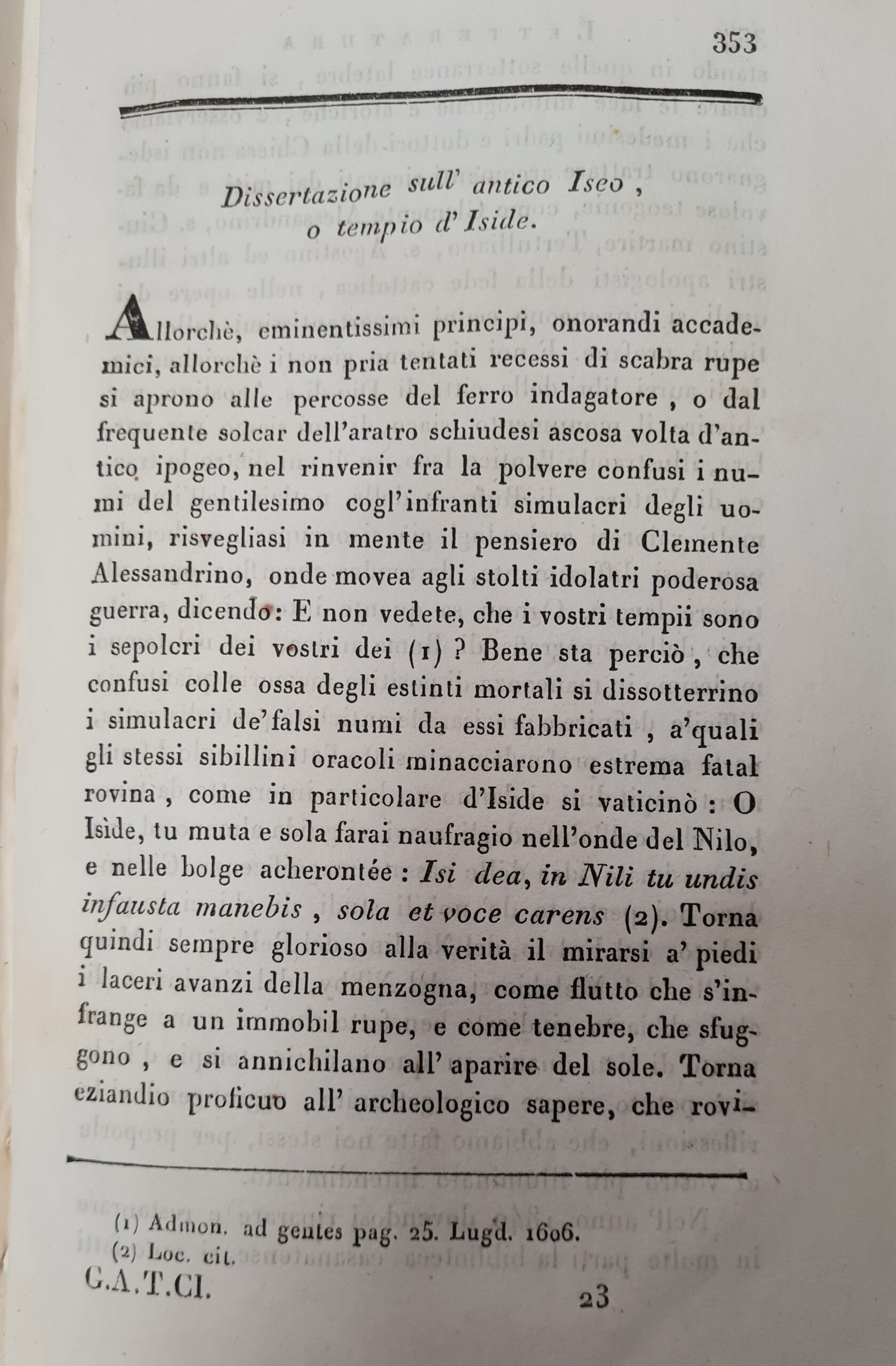
The second section concerns the construction and extension of the Salone Monumentale. Particular emphasis is placed on the topographical site of the library, featuring the work In marmor Isiacum Romae nuper effossum exercitationes from 1719 (CC.G.X.191.1), along with the corresponding copperplate matrix of the plate contained within it, and Father Giacinto De Ferrari’s Treatise on the Ancient Iseum of Campi (PER.EST.127). The narrative then moves on to recount the famous dispute with the neighbouring Jesuit Fathers, recounted in full in Ms.Cas.414, from which numerous documents – mostly dated 1719 – are displayed, leading up to the ‘Concordia fatta’ (agreement reached) between the Dominicans and the Jesuits, thanks to the intervention of prominent figures, including the ‘future cardinal’ Alessandro Albani.
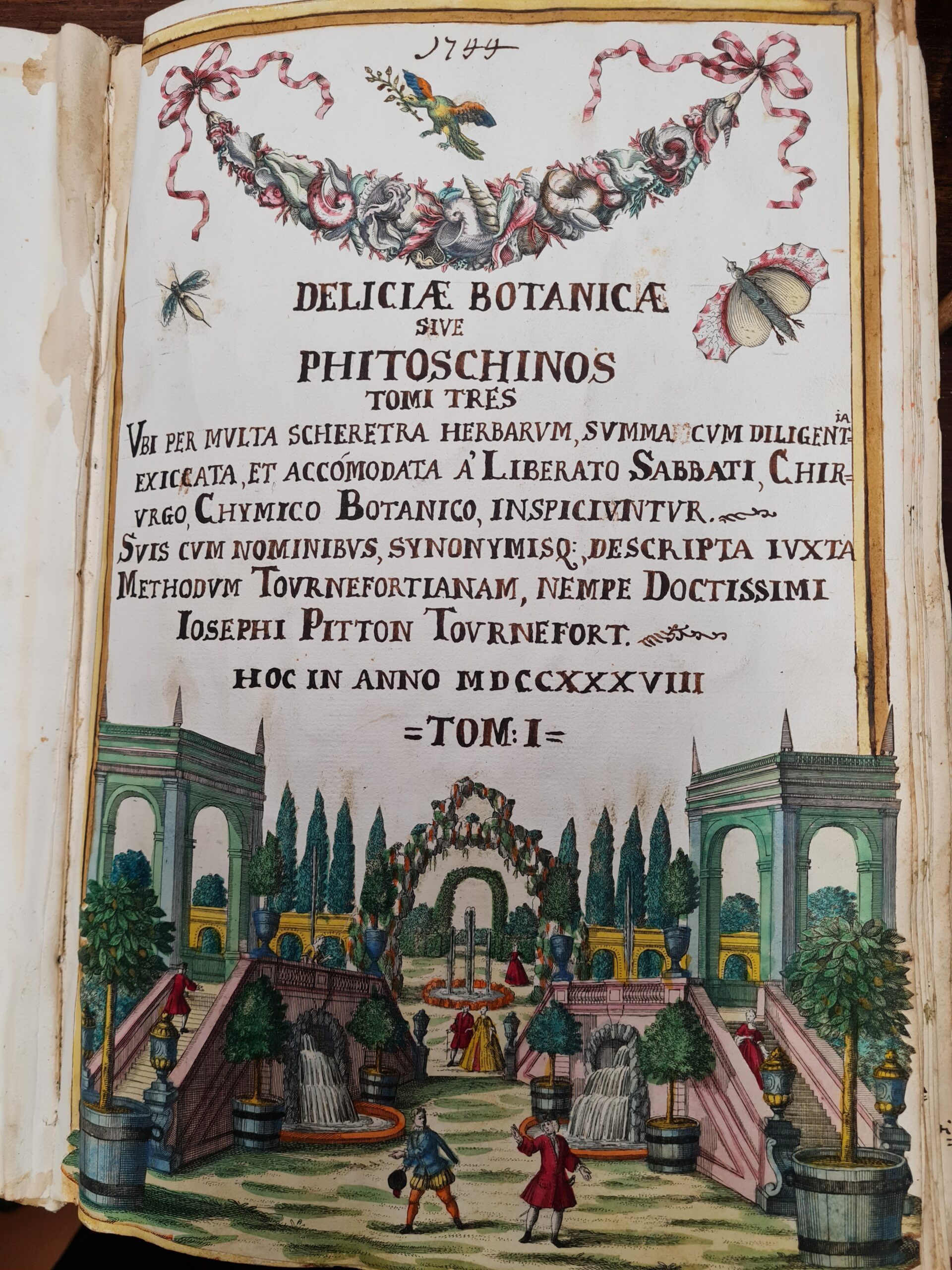
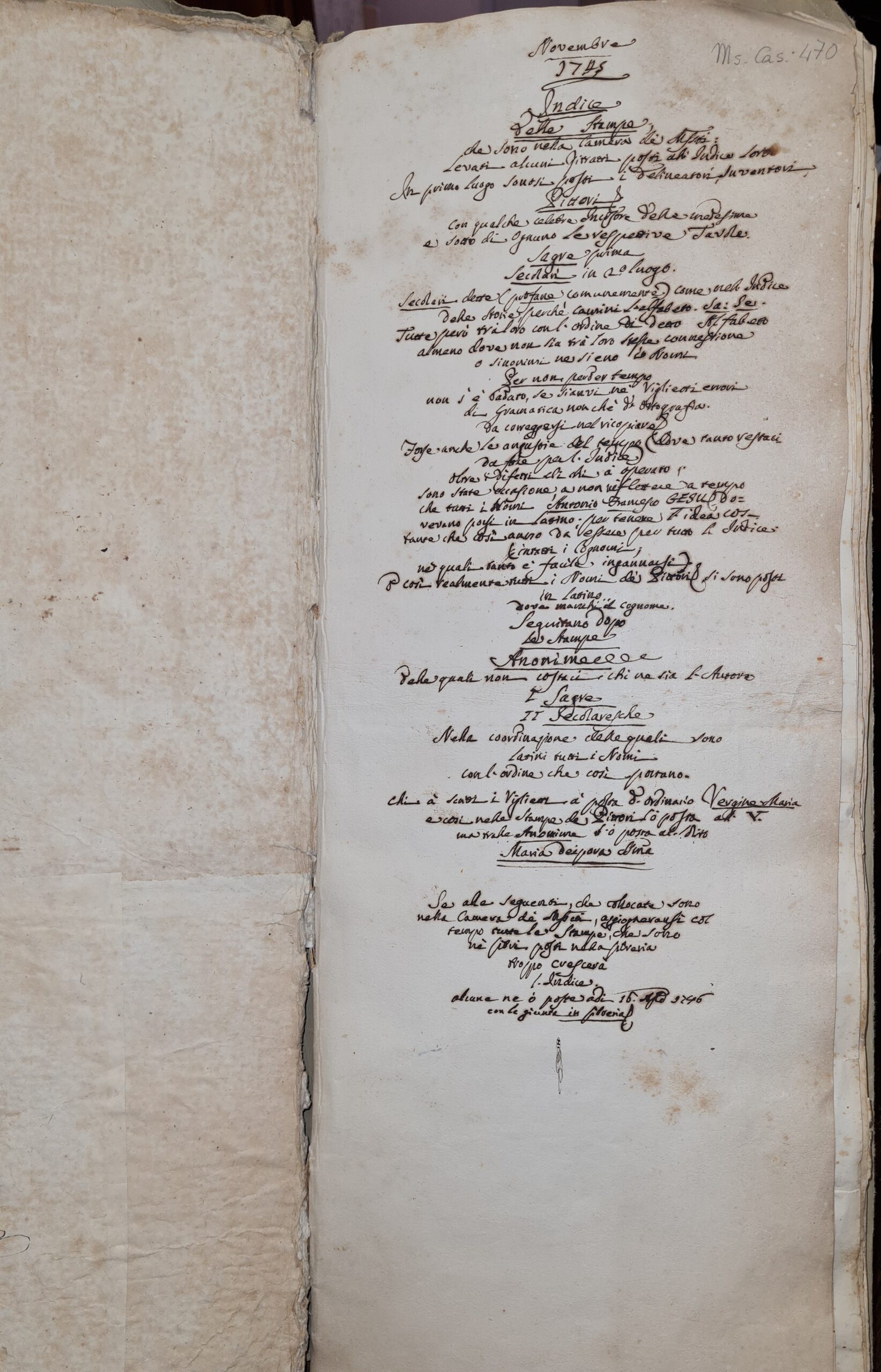
The third section is devoted to a number of Grand Prefects. In this context, the focus is on three particularly prominent 18th-century figures who established the Casanatense as an institution of the very highest calibre throughout Europe: Giandomenico Agnani, Pio Tommaso Schiara and Giovanni Battista Audiffredi. Historical indices and catalogues relating to these three prefects are on display, such as Agnani’s index of prints (Ms.Cas.470), Schiara’s index of Bible editions (Ms.Cas.468.10), Audiffredi’s Catalogue of the Casanatense’s Books, as well as numerous works acquired during their tenures as prefects, such as the marvellous handwritten herbariums by Liberato Sabbati and various works on astronomy compiled by Audiffredi himself.
The exhibition is further enriched by four scientific instruments of immense value, such as the 13th-century Quadrans Vetus, which was used to determine the time of day and night; the late 16th-century Astronomical Calendar, which served to measure and predict the weather; the Latin Radius (late 16th century), used to measure distances, heights and depths; the cup-shaped sundial (late 16th–early 17th century), used to measure the time and identify the season.
From here we move on to the writings of Father Giacomo Alberto Magno,
who recounts the tragic events surrounding the French occupation of Rome, including the abduction of Pope Pius VII (1809) by French troops (Ms.3201), the suppression of religious congregations, and the subsequent arrival in Casanatense of many books that had belonged to those congregations; lists of these books are compiled in Ms. Cas.489.
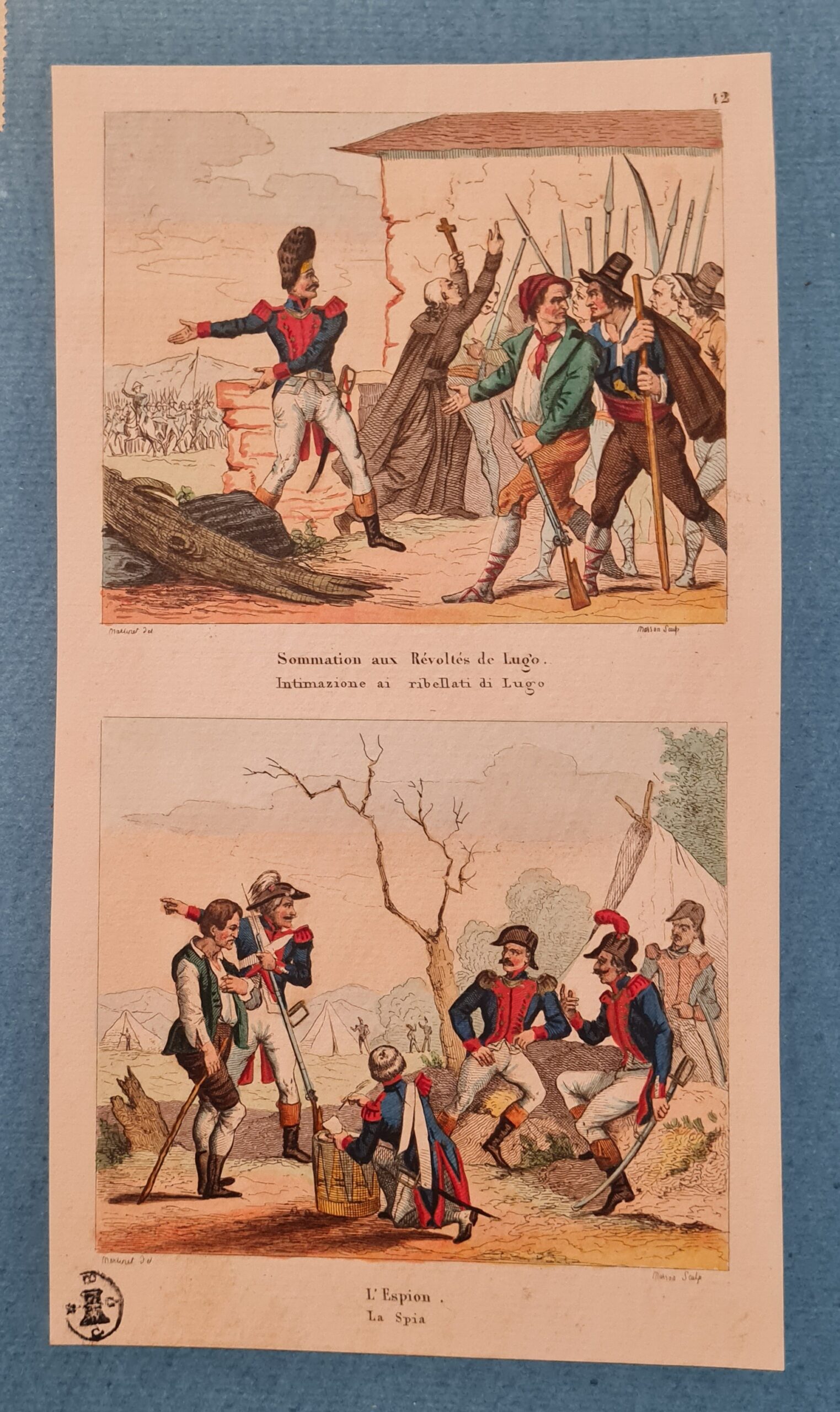
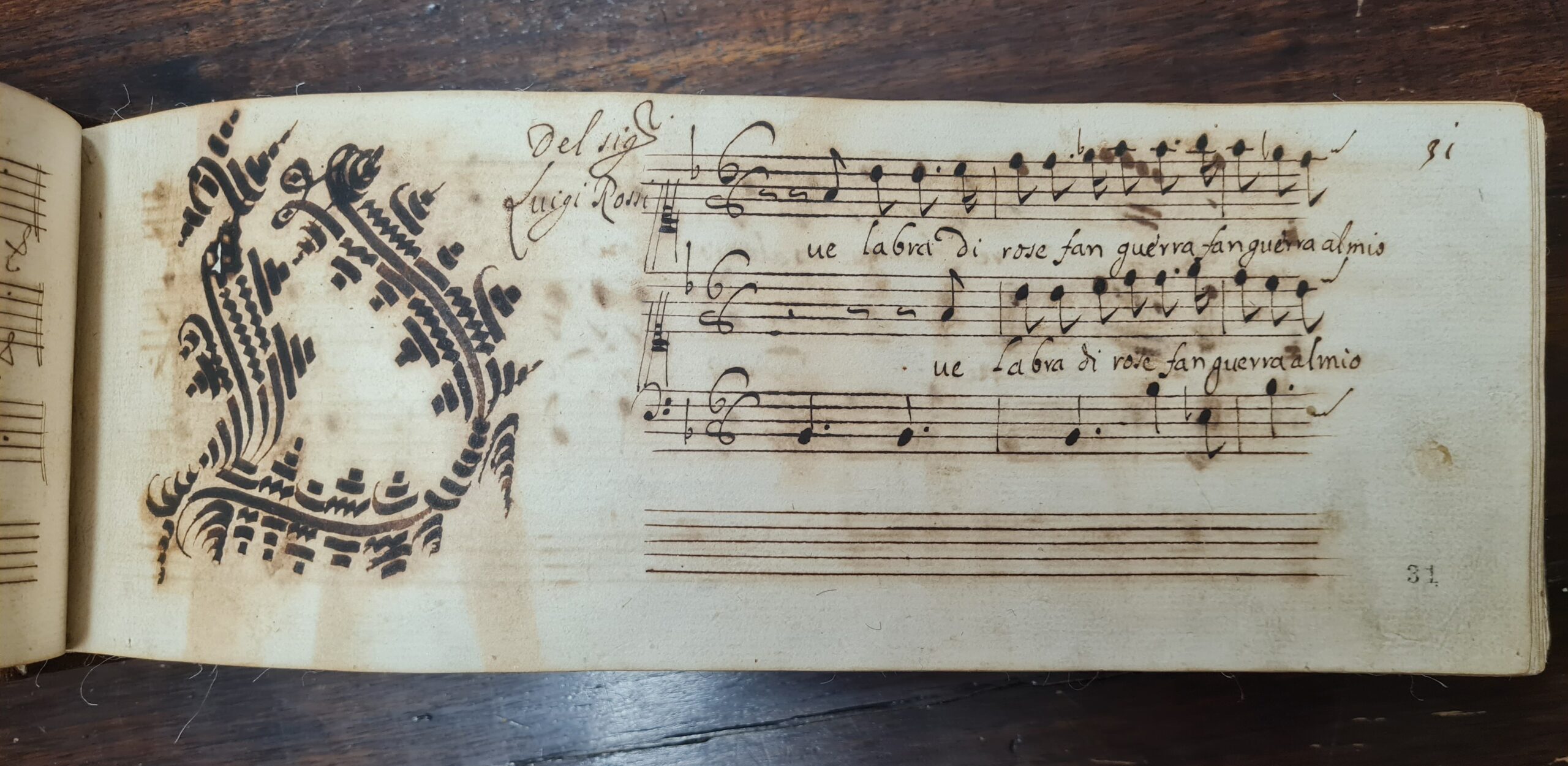
The fourth section, the shortest, concerns a number of notable bequests. The focus is on three figures who proved instrumental in enriching the library’s collection: Abbot Giovanni Antonio Riccy, whose will is on display, detailing a bequest of no fewer than 1,000 scudi to the Casanatense Library for the purchase of books on archaeology, philology and fine arts, as well as one of his works concerning archaeological observations in the Lazio region (CC.G.II.61.1-2); Abbot Giuseppe Baini, a great composer, whose extremely valuable musical manuscript (Ms.2464) from the late 17th century is on display, taken from his marvellous music library, which was donated to the Casanatense in 1844; the Polish patriot Artur Wolinsky, who in 1888 donated his vast historical library to the Casanatense, including a collection of 3,000 engravings, of which several examples from the Napoleonic era are on display.
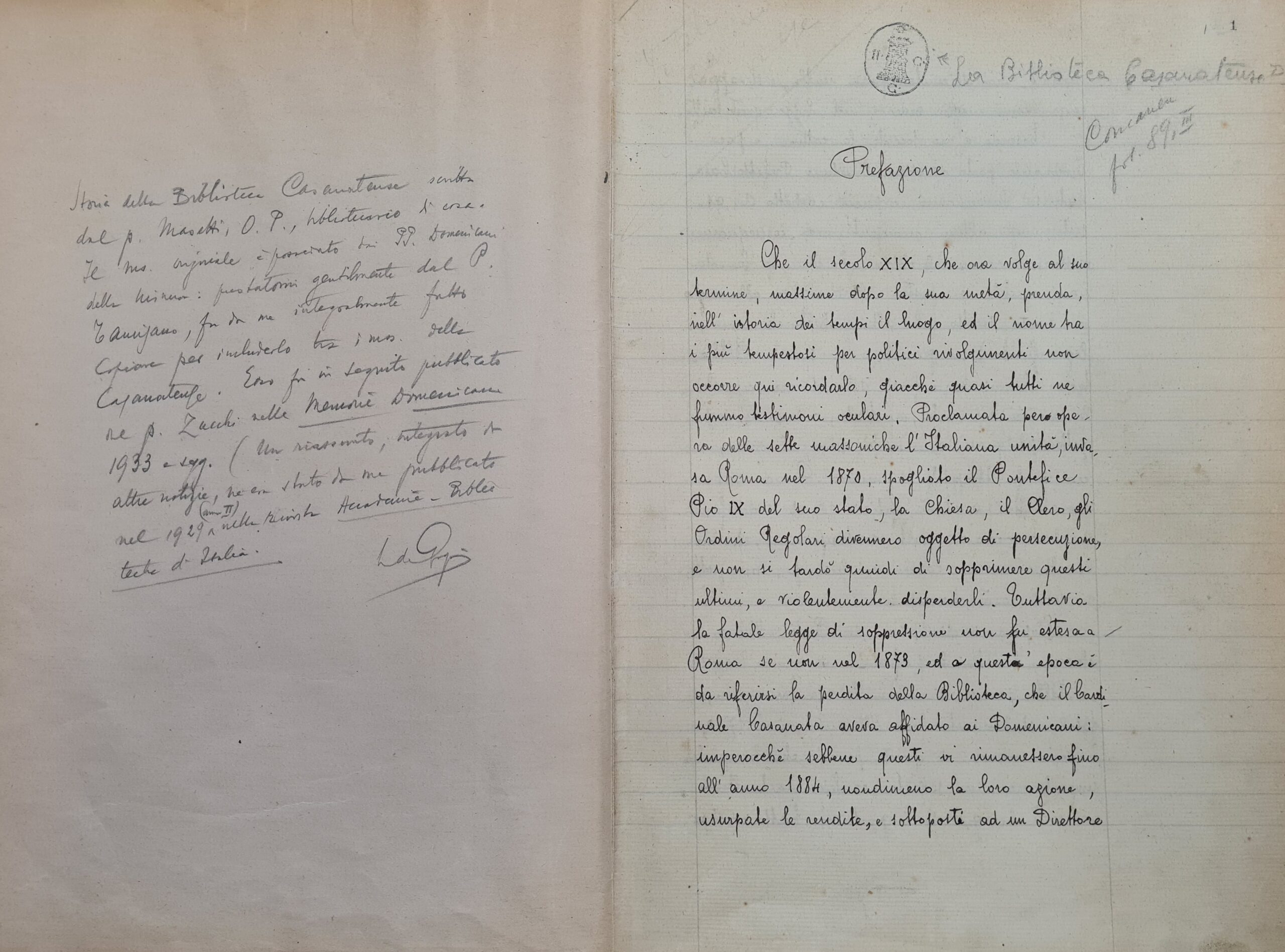
The fifth and final section, ‘After the Dominicans’, documents the more than 150 years of lay management of the Casanatense: the transition from the stewardship of Father Pio Tommaso Masetti – the last Dominican to head the library – to the management of directors appointed by the Ministry of Education. In this context, it was essential to include Masetti’s Memorie Istoriche (Ms.5068) in the exhibition; in 400 passionate pages, he sets out the entire history of the Casanatense, from its foundation up to the year 1884, through the discerning eyes of one of the most illustrious Dominicans of the nineteenth century.
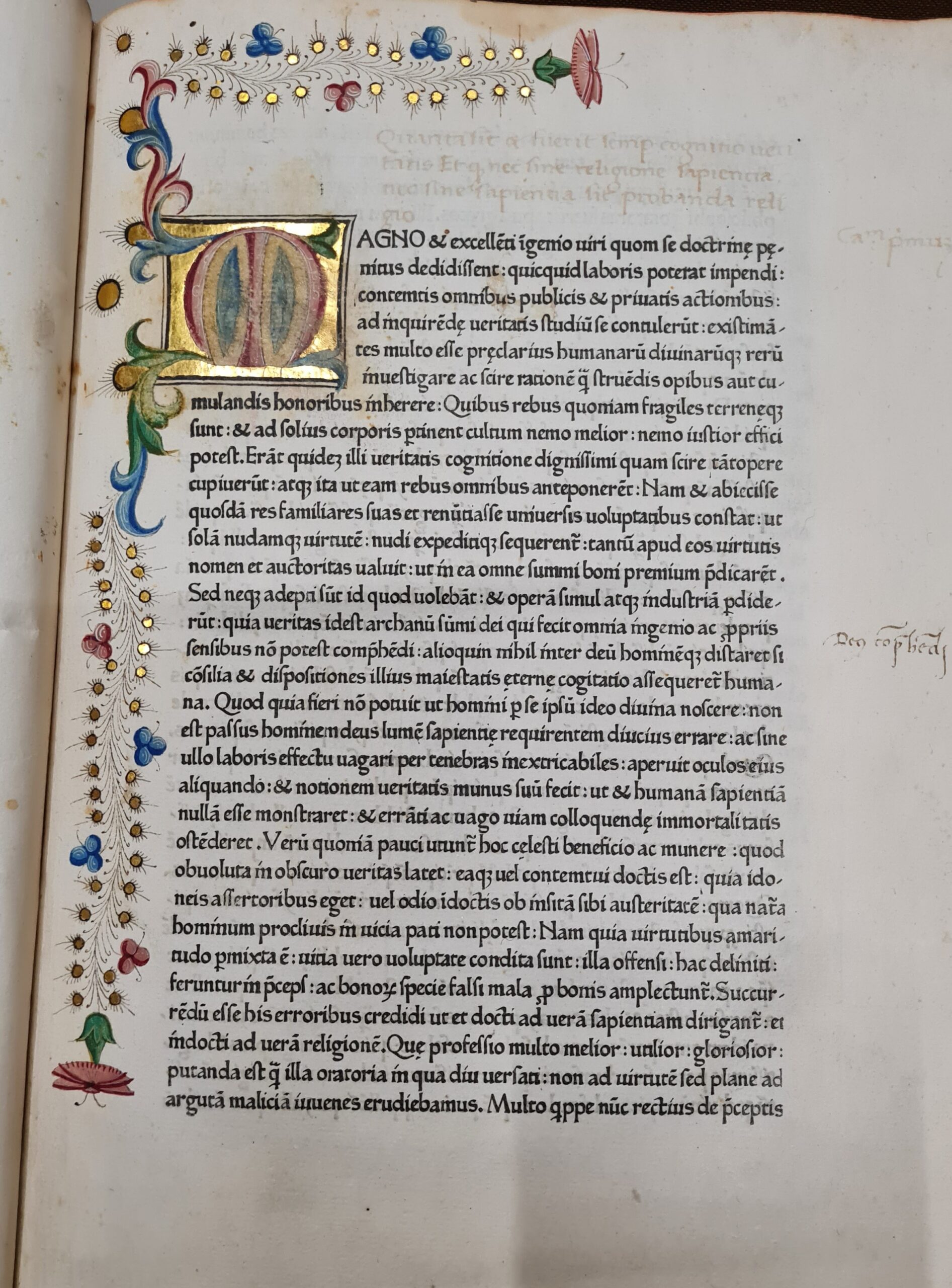
The narrative continues with the story of Director Carlo Gargiolli, who, through no fault of his own, found himself at the centre of a surreal tale: the disappearance, in 1885, of the work by the Latin writer Lattanzio (VOL.INC.117), printed in Subiaco in 1465 by the renowned German clerics Sweynheym and Pannartz, and then rediscovered the following year by the new Director, Edoardo Alvisi. In this context, Lattanzio’s work is on display, followed by writings by the poet Giosuè Carducci, who went to great lengths to defend his friend Gargiolli against the serious accusations.
To illustrate the library’s more recent history, the exhibition features documents and books relating to its prominent directors, such as Ignazio Giorgi, Tommaso Gnoli and Luigi De Gregori, as well as a series of photographs documenting the library’s premises from the late 19th century through to the 1960s, followed by exhibition catalogues and records of major book acquisitions, in order to bear witness to the rich scholarly activity of the last 50 years, such as
the manuscript of Cicero’s De finibus bonorum et malorum (Ms.5558), acquired in 1970, and a whole series of acquisitions from the 1990s, including Luigi Canina’s collection of drawings of the Flavian Amphitheatre (20.B.I.1L), the spectacular Vues d’Optique scroll – the catalogue of which is on display – and the work by St Thomas Aquinas printed in 1483 by Andrea Torresano (VOL.INC.2063). Among the most recent items on display is the 2009 publication, produced to reproduce the second volume of Liberato Sabbati’s Hortus Romanus, which was tragically stolen and never recovered during an exhibition held at the Vittoriano in 2004.